


Air-Cooled vs Water-Cooled Condensing Units
Release time: 2026-03-27
In commercial and industrial refrigeration systems, the condensing unit plays a critical role in overall performance and efficiency. One of the most important decisions when selecting a system is choosing between air-cooled and water-cooled condensing units.
So what’s the difference? And which one is right for your project?
This article provides a detailed and practical comparison to help you make the best decision.
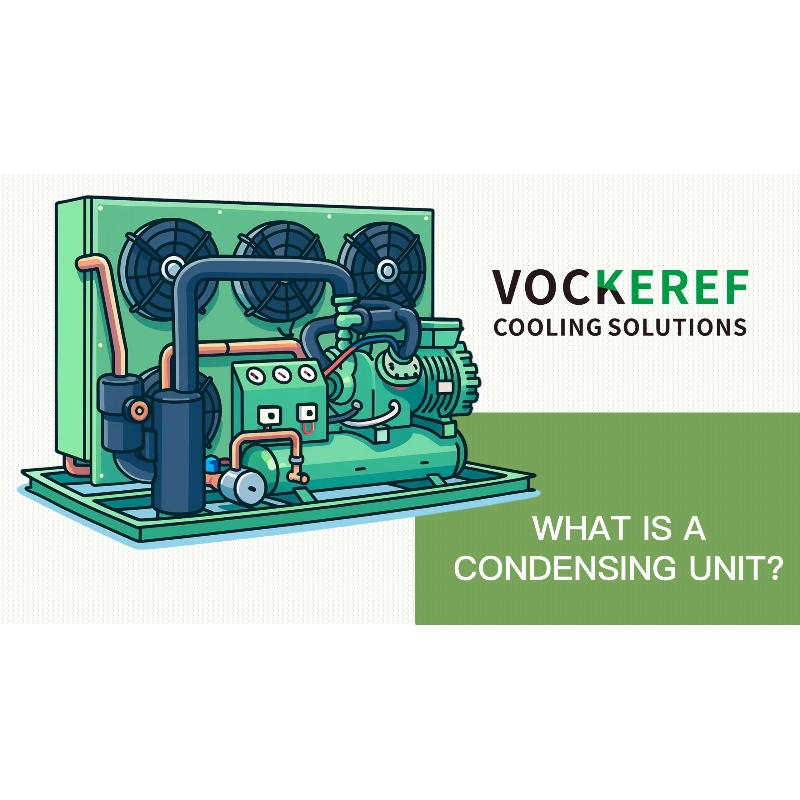
1. What Is a Condensing Unit?
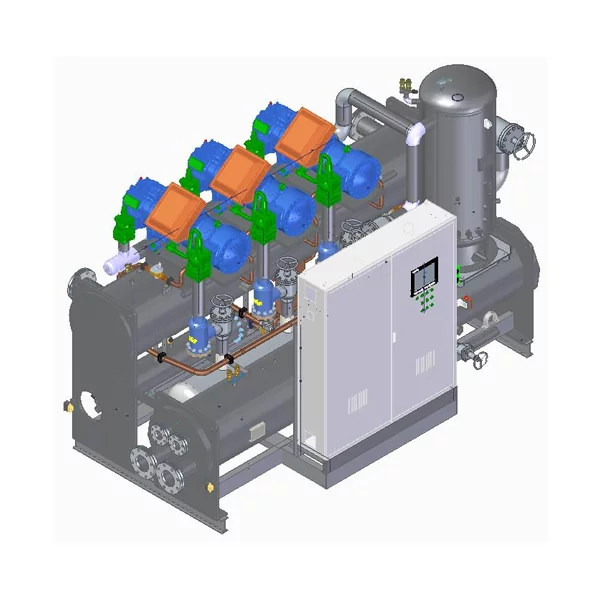
A condensing unit is a key component of a refrigeration system, typically consisting of:
· Compressor
· Condenser
· Fan or water circulation system
· Control components
Function:
It removes heat from the refrigerant discharged by the compressor, condensing it from a high-temperature gas into a liquid for reuse in the cycle.
2. Basic Working Principles
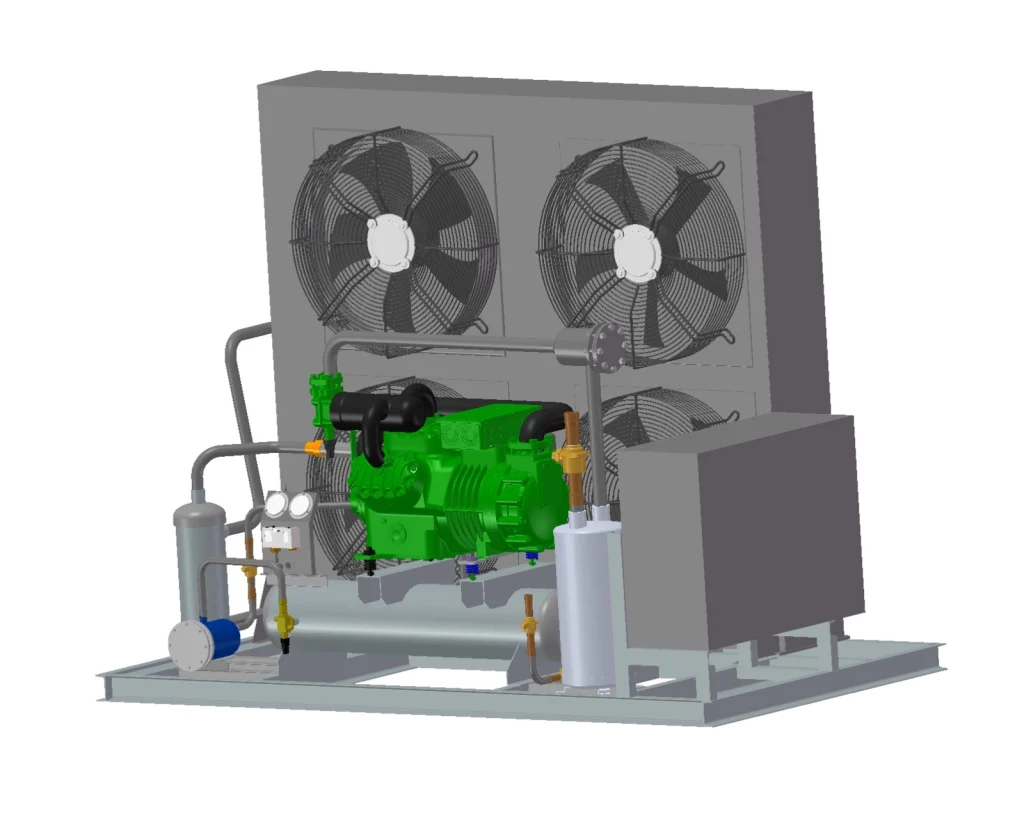
2.1 Air-Cooled Condensing Unit
How it works:
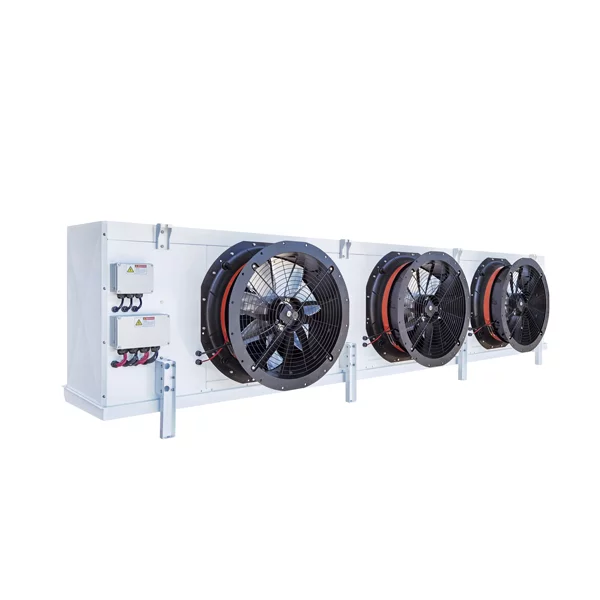
Uses ambient air as the cooling medium. Fans force air across the condenser coils to dissipate heat.
👉 Simply put: Heat is removed by air
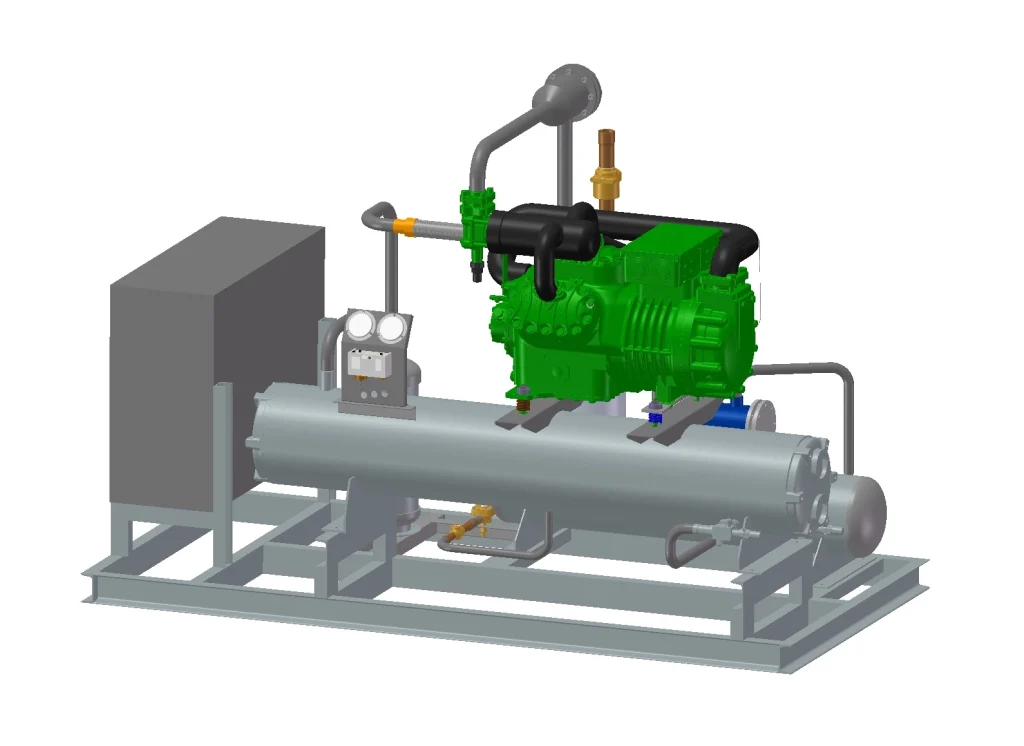
2.2 Water-Cooled Condensing Unit
How it works:
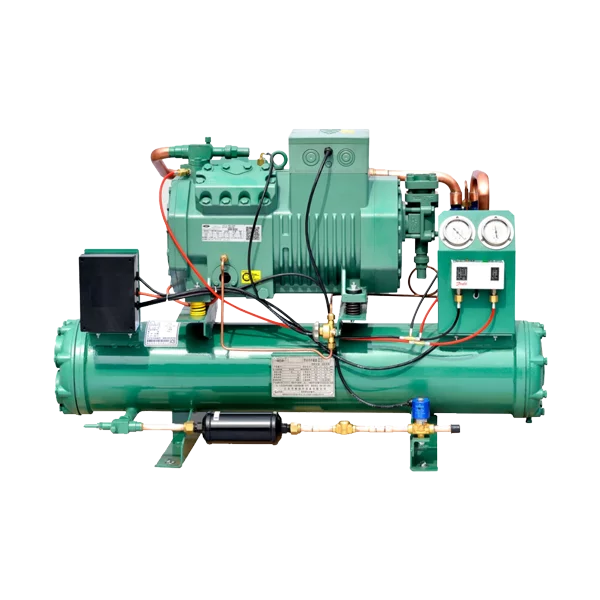
Uses water as the cooling medium. Water flows through the condenser (usually shell-and-tube or plate heat exchanger) to absorb and remove heat.
Typically requires:
· Cooling tower
· Water pump
· Water circulation system
👉 Simply put: Heat is removed by water
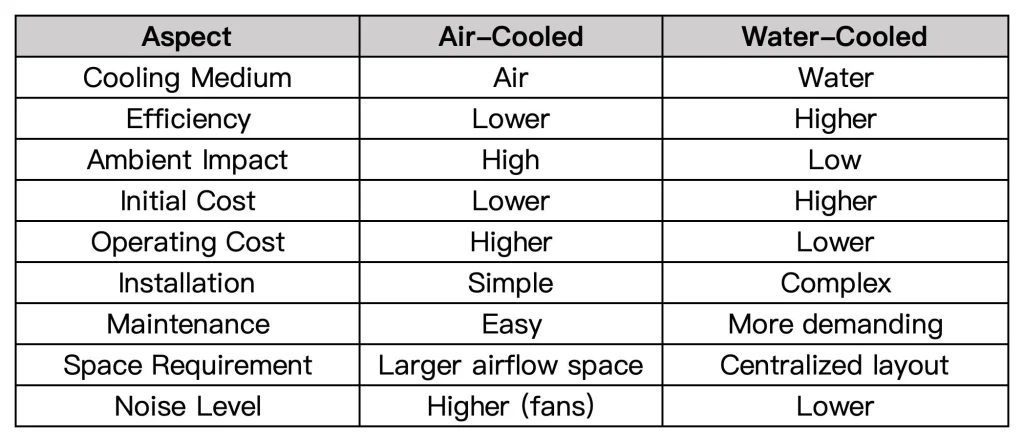
3. Key Differences at a Glance
4. Detailed Comparison
4.1 Cooling Efficiency
Water has a much higher heat capacity than air, making it far more effective for heat transfer.
👉 Water-cooled systems offer superior heat exchange efficiency
Benefits include:
· Lower condensing temperature
· Reduced compressor load
· Higher overall system efficiency (COP)
4.2 Sensitivity to Ambient Conditions
Air-cooled systems depend heavily on ambient temperature:
· High outdoor temperatures → reduced performance
· Particularly challenging in hot climates (Middle East, Africa, etc.)
Water-cooled systems:
Less affected by ambient air temperature, especially when paired with cooling towers
4.3 Energy Consumption & Operating Cost
· Air-cooled: Higher energy consumption due to fan operation and higher condensing pressures
· Water-cooled: Additional pump and cooling tower energy, but overall more efficient
👉 Water-cooled systems are more energy-efficient in medium to large applications
4.4 Initial Investment
Air-cooled advantages:
· No cooling tower
· No water system
· Easier installation
Water-cooled requires:
· Cooling tower
· Pumps and piping
· Water treatment system
👉 Higher upfront investment
4.5 Maintenance Requirements
Air-cooled:
· Clean condenser coils
· Check fans
Water-cooled:
· Water treatment (scale, corrosion prevention)
· Heat exchanger cleaning
· System monitoring
👉 More complex maintenance
4.6 System Stability & Lifespan
Water-cooled systems operate under more stable conditions:
· Lower operating pressures
· Reduced mechanical stress
👉 Typically longer lifespan and improved reliability
5. Application Scenarios
Air-Cooled Condensing Units best suited for:
· Small cold rooms
· Supermarkets and display refrigeration
· Rooftop installations
· Areas with limited water supply
· Projects requiring simple installation
Water-Cooled Condensing Units best suited for:
· Large cold storage facilities
· Industrial refrigeration systems
· Cold chain logistics centers
· Data centers
· High-temperature regions
6. How to Choose the Right System?
Choose Air-Cooled if you:
· Have a limited budget
· Need a simple and quick installation
· Are working on small-scale projects
· Lack access to a water system
Choose Water-Cooled if you:
· Prioritize energy efficiency
· Have a large-scale, long-term project
· Operate in hot climates
· Have access to a stable water system
7. Conclusion
In simple terms:
👉 Air-cooled = Simple, flexible, lower upfront cost
👉 Water-cooled = Efficient, stable, lower long-term cost
Choosing the right system depends on your project size, climate, budget, and operational priorities.
8. What We Offer
We provide:
· Air-cooled condensing units
· Water-cooled condensing units
· Customized refrigeration solutions
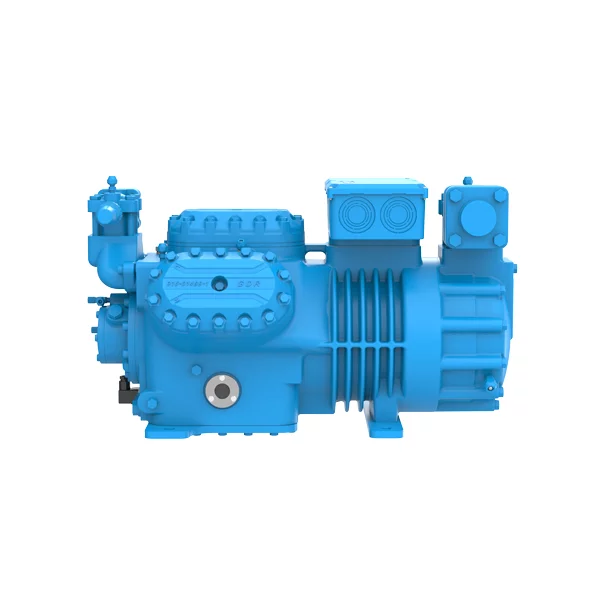
· Compressor selection support (Bitzer, Copeland, VOCKEREF, etc.)
If you’re planning a project, feel free to contact us for professional selection advice and a competitive quotation.