


Industry Insight | Structural Upgrades Create New Opportunities in the Refrigeration and Cold Chain Industry
Release time: 2026-01-16
In recent years, driven by rising global food safety standards and the rapid growth of fresh food e-commerce and pharmaceutical cold chains, the refrigeration and cold chain industry is entering a new phase of structural upgrading. The competitive landscape is shifting from pure scale expansion toward a balance of quality, efficiency, and long-term value.
- Demand Continues to Grow as Applications Expand
Traditionally, cold storage facilities were mainly used for agricultural products, meat, and seafood. Today, new application scenarios such as pharmaceutical cold chains, vaccine storage, chemical low-temperature control, and central kitchens are becoming strong growth drivers. Customers are no longer satisfied with systems that simply “work”; they now expect stability, energy efficiency, and intelligent operation. - Energy Efficiency and Sustainability as Core Competitiveness
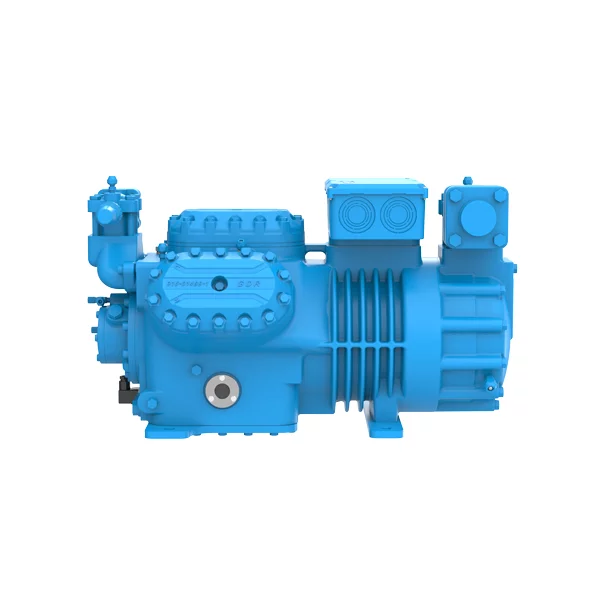
Against the backdrop of fluctuating energy prices and increasingly strict environmental regulations, energy efficiency has become a key decision factor for projects. High-efficiency compressors, variable frequency technology, optimized heat exchanger design, and environmentally friendly refrigerants are gradually becoming industry standards. In the future, energy consumption indicators will directly impact both project feasibility and long-term operating costs. - Clear Trend Toward Customization and System Integration
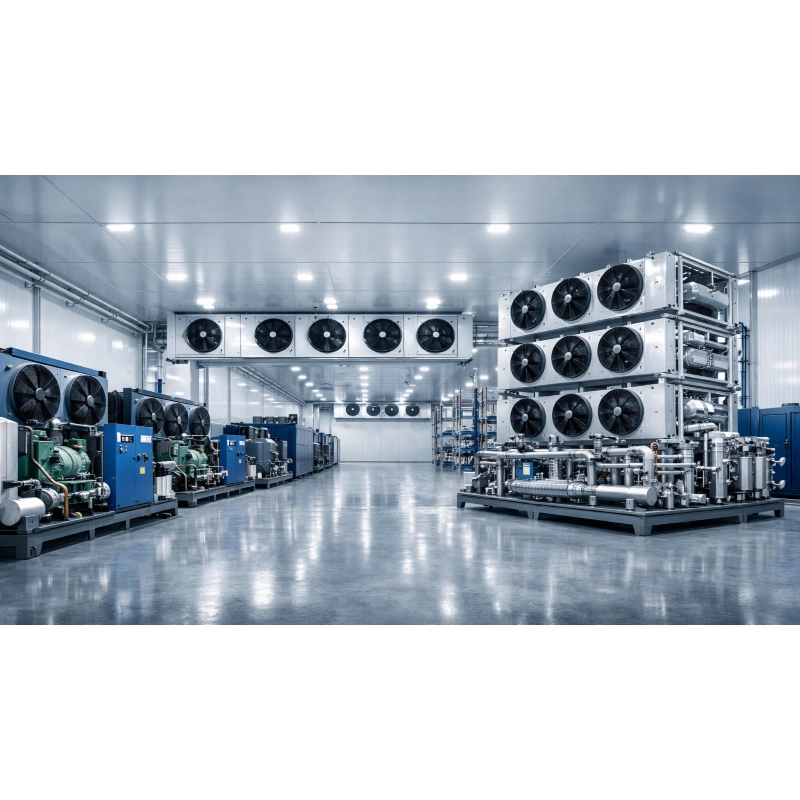
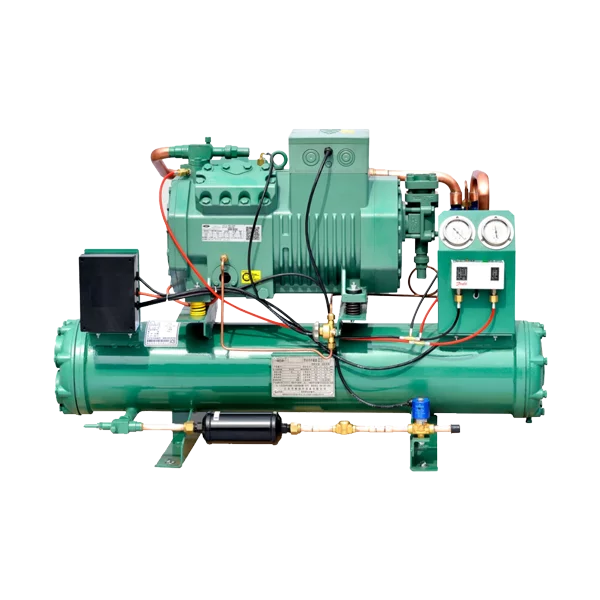
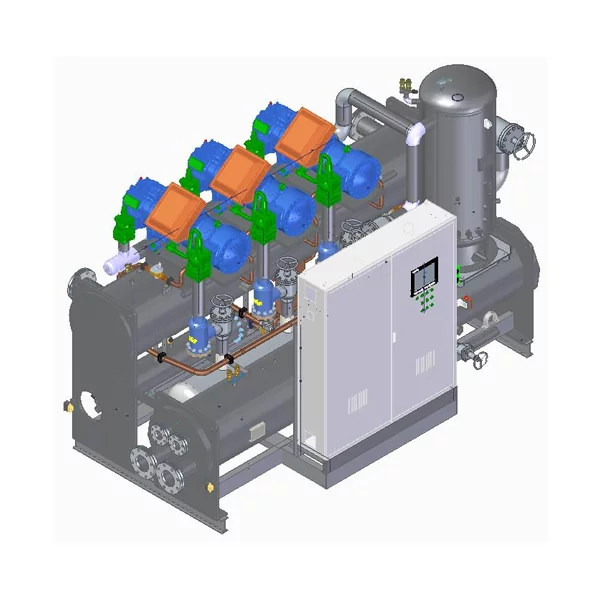
Different countries, industries, and products have significantly different requirements for temperature control, humidity, and operational reliability. Standalone equipment can no longer meet diverse market demands. System-level solutions and customization capabilities are becoming decisive advantages. Integrated matching of condensing units, evaporators, and electrical control systems can significantly reduce overall project risk for customers. - Opportunities and Challenges in Overseas Markets
Emerging markets still have substantial potential as cold chain infrastructure continues to develop. At the same time, customers are placing higher expectations on delivery time, after-sales response, and technical support. Companies with stable supply chains, proven technology, and international service capabilities will gain stronger long-term competitiveness.
Conclusion
Overall, the refrigeration and cold chain industry is moving from price-driven competition toward value-driven competition. Only companies that continuously invest in technology, improve product reliability, and deeply understand real application scenarios will be able to seize opportunities and achieve sustainable growth in this new stage of industry development.
— This article reflects industry observations for reference and discussion only